


Stop Masking the Pain: Is it Spinal Arthritis or Misalignment of the Spine?
If you live in Chicago, you’re probably familiar with the routine: your back seizes up during a bumper-to-bumper drive on the Kennedy, or your neck feels stiff after a long day at your desk. For many, the quick fix is to pop some ibuprofen and blame it on age or a little arthritis.
But what if the real cause of your back pain is something else entirely?
In this guide, we’ll help you stop the guesswork. You’ll learn how to spot the subtle differences in your spine-related back pain symptoms, why meds are masking the real issue, and how our Chicago chiropractic team identifies the root cause to get you moving again, without the pharmacy.
Ultimately, you will be equipped to distinguish between chronic degenerative conditions, such as spinal arthritis and mechanical misalignments, that are best suited for chiropractic treatment.
Arthritis vs. Misalignment At a Glance:
- Arthritis is a degenerative condition (resulting from the wear and tear of the bone/cartilage) that requires long-term management.
-
Misalignment is a mechanical and structural issue (joints out of place) that can often be corrected through chiropractic adjustments.
>The Overlap: Untreated misalignments often cause premature arthritis by creating uneven pressure on your joints.
Best Treatment of Spinal Arthritis & Mechanical Misalignment in Chicago: Breaking Free from the Cycle of Medication
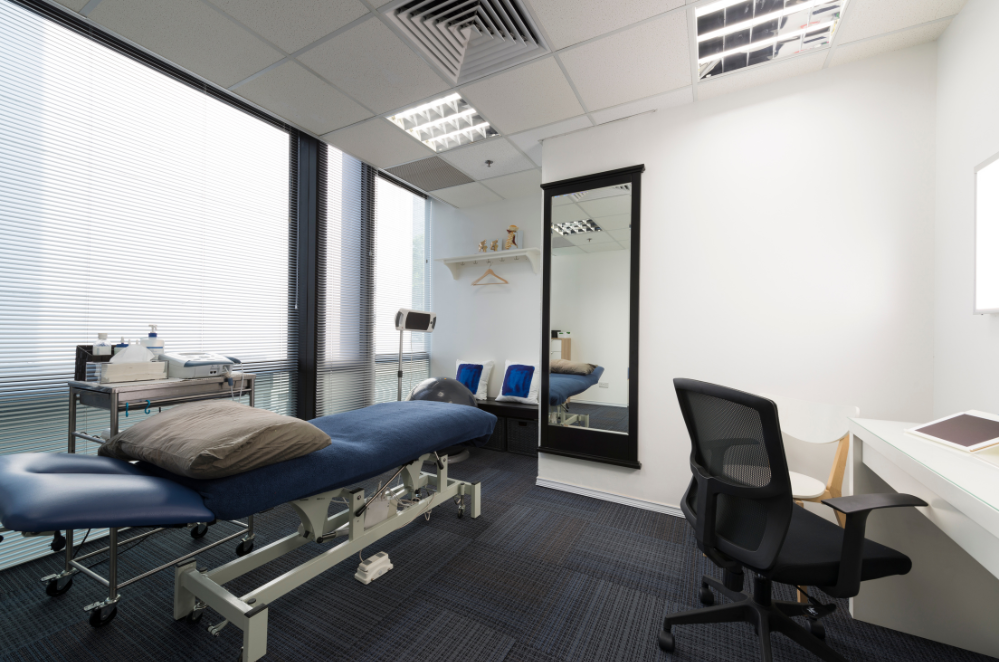
For countless Chicagoans, back and neck pain are more than just passing discomfort—they’re a daily challenge that can stem from spinal arthritis or subtle mechanical misalignments. While it’s tempting to reach for pain relievers for temporary relief, relying on medication alone often masks the underlying issues, allowing them to worsen over time.
Real, lasting relief starts with understanding the root cause of your pain. Spinal arthritis involves inflammation and degeneration of the joints in your spine, while mechanical misalignment refers to the improper positioning of vertebrae or other structures. Both conditions can lead to persistent pain, stiffness, and loss of mobility.
At Advanced Spine and Sports Care, we see patients every day who are stuck in a cycle of pain, pills, and temporary relief. The truth is, there is a massive difference between chronic degenerative arthritis and a mechanical misalignment (subluxation). One requires long-term management; the other can often be corrected with targeted chiropractic care. Choosing the right treatment for back pain starts with understanding whether the root cause is a long-term degenerative condition or a functional mechanical issue.
Instead of simply covering up symptoms, a comprehensive treatment approach focuses on restoring spinal alignment, reducing inflammation, and strengthening the supporting muscles. This might include personalized physical therapy, targeted chiropractic care, and lifestyle changes that promote long-term spinal health.
By addressing the core problem, you can break free from the cycle of painkillers and rediscover a more active, pain-free life. Pain medication (NSAIDs, muscle relaxers) performs one task: turning down the volume. They do not diagnose the source.
The Hidden Cycle: Pain → Pills → Relief → Repeat:
Why Pain Meds Keep You Stuck in the “Hidden Cycle”
When pain hits, you’re not thinking about long-term joint health.
You’re thinking:
- “I have to get through this workday.”
- “I can’t cancel on my kids again.”
- “I just need to sleep tonight.”
So you reach for:
- Anti-inflammatories.
- Over-the-counter pain meds.
- Maybe a muscle relaxer or prescription from your doctor.
In the short term (and if you’re looking for relief), that can be helpful.
But here’s the problem: Pain meds don’t diagnose anything. They only turn the volume down.
- If it’s arthritis, the joint may still be breaking down.
- If it’s a misalignment, your joints may still be getting irritated with every step, every hour at your desk, every workout.
Over time, this leads to:
- Recurring pain.
- A fear that “something serious is going on.”
- Worry about long-term damage or losing mobility.
Spinal Arthritis Vs Mechanical Misalignment of the Spine – Diagnosis & Treatment Options
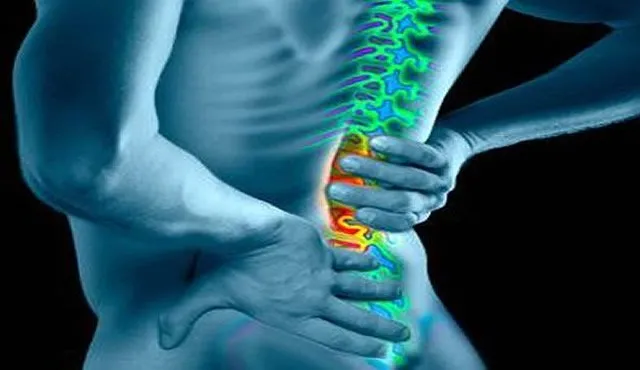
Spinal Arthritis vs. Misalignment Diagnosis: The Danger of “Silent” Progression
Unfortunate consequences of inaction:
The most dangerous thing you can do for your spine is to treat a structural problem with a chemical solution. When you rely on painkillers to get through the day, you aren’t just “masking” the pain—you are effectively silencing your body’s only alarm system while the underlying damage accelerates.
If it’s Spinal Arthritis: The Degenerative “Rust“
Spinal arthritis is a progressive, inflammatory process. When you take medication to dull the ache, the joint continues to degenerate while you are “numb” to the damage. Without restoring proper joint fluid circulation and offloading pressure, the cartilage continues to thin, and bone spurs (osteophytes) continue to grow. By the time the medication stops working, the structural changes may be much more difficult to manage.
If it’s Mechanical Misalignment: The Micro-Trauma Cycle
A misalignment (subluxation) is a functional failure of the spine’s architecture. If your vertebrae remain out of position, every step you take, every hour you sit at your desk, and every workout you perform creates repetitive micro-trauma.
Think of it like a car with an alignment issue: the longer you drive it, the faster the tires (your discs) and the suspension (your joints) wear out. You don’t need a “quieter” engine; you need a mechanic to realign the wheels. In the spine, this uncorrected friction eventually triggers the very arthritis you were trying to avoid.
The Result: The Myth of “Just Getting Old”
When these conditions are left unaddressed, the result is a predictable downward spiral:
-
Recurring Pain: The “good days” become fewer and the flares become more intense.
-
Loss of Mobility: You stop reaching for things, stop bending over, and start “guarding” your movements, leading to muscle atrophy.
-
The Fear Factor: You begin to believe the lie that you are “just getting old.”
The Truth: Age is not a diagnosis. Many patients in their 60s and 70s live pain-free because their spines are aligned and mobile, while office workers in their 30s suffer because of uncorrected misalignments.
-
If it’s Arthritis: The joint continues to degenerate while you’re “numb” to the damage.
-
If it’s Misalignment: Your vertebrae remain out of position, causing micro-trauma with every step you take.
>The Result: You experience recurring pain, a loss of mobility, and the fear that you’re “just getting old.”
Understanding Key Medical Terms: Common Terms Found in Your Spinal Condition Diagnosis
To help you navigate your diagnosis, here are the most common terms used when discussing spinal health. If you’ve received imaging results, you may see these clinical terms.
Chronic Degenerative Conditions of the Spine: How Spinal Conditions Affect Mobility
-
Spondylosis: Age-related wear and tear where bony growths replace healthy ligaments.
-
Osteoarthritis (OA): The breakdown of cartilage between joints, causing bone-on-bone friction.
-
Ankylosing Spondylitis (AS): An inflammatory condition that can eventually cause vertebrae to fuse together.
-
Facet Arthropathy: Degeneration specifically in the “hinge” joints (facets) of the vertebrae.
- Radiculopathy: Nerve root inflammation often caused by pressure from a disc or joint, experienced as sciatica pain, & involves nerve root inflammation that can cause shooting pain, numbness, or weakness down the legs.
-
Degenerative Disc Disease: The loss of fluid and integrity in the discs that act as your spine’s shock absorbers.
-
Spinal Stenosis: A narrowing of the spinal canal often requiring advanced spinal decompression therapy to relieve pressure on the spinal cord without surgery.
Chiropractic Care Provides a Real Solution to Spinal Conditions & Misalignment Problems
A chiropractor is a specialist in differential diagnosis. We determine if your pain is structural, degenerative, or—as is common in many patients—a combination of both.
-
For Misalignments: We use precise adjustments to restore the joint to its proper position, immediately reducing nerve interference.
-
For Arthritis: While we cannot “reverse” bone degeneration, chiropractic care increases the range of motion in the surrounding joints. This offloads the pressure from the arthritic area, significantly reducing pain and slowing further wear.
Why Chiropractic Treatment at Advanced Spine & Sports Care ?
A chiropractor is trained to distinguish between these two. For misalignment, an adjustment can realign the bones to provide immediate and lasting relief. For arthritis, while an adjustment won’t “cure” the degeneration, it can improve joint mobility and reduce the mechanical stress that makes arthritis pain worse.
While spinal arthritis involves progressive changes to the joints and cartilage, mechanical misalignment (often called a subluxation) refers to vertebrae that are out of position, causing nerve interference and restricted movement.
For patients dealing with advanced disc thinning or chronic Spondylosis, our clinic utilizes non-surgical spinal decompression in Chicago to create negative pressure within the disc, allowing for better nutrient flow and healing.
Understanding Your Back Pain: Is it Arthritis or Misalignment?
When you’re dealing with back pain, the most important question is: Is this a long-term joint problem like arthritis, or a misalignment that a chiropractor can help correct?
At Advanced Spine and Sports Care, we help patients distinguish between these two conditions so they can get the right treatment faster.
Symptoms: Comparative Overview: Identifying the Root Cause

Use the table below to see which symptoms best describe your current pain levels.
The Back Pain “Symptom Checklist”
| Feature | Spinal Arthritis (Long-Term) | Mechanical Misalignment (Structural) |
| Root Cause | Chronic wear and tear, inflammation, or immune response. | Structural shifts, poor posture, or sudden injury. |
| Pain Type | Dull, deep ache; may feel “gritty” or stiff. | Sharp, “pinched,” or catching sensation. |
| Pain Profile | Persistent and achy; usually worse after resting. | Localized; triggered by specific movements or positions. |
| Morning Pain | High: Joints feel “rusty” for 30+ minutes after waking. | Low: Pain typically starts after you begin moving/sitting. |
| Activity Impact | Movement “greases the joints,” but overuse causes flares. | Specific movements (twisting/leaning) cause sharp discomfort. |
| Weather Impact | Often feels worse during cold or damp Chicago weather. | Usually unaffected by barometric pressure or temp changes. |
| Flexibility | Significant loss of range due to bone/joint changes. | Stiffness caused by “locked” joints or muscle guarding. |
| Recovery Goal | Long-term management to slow progression and ease pain. | Structural correction via adjustments to restore position. |
Most people in Chicago don’t walk around thinking about “joint mechanics.”
You just notice:
- Your back locks up on the Kennedy.
- Your knees ache walking the stairs to the L.
- Your neck feels stiff after a day at the office.
And because so many people around you complain about “arthritis,” it’s easy to assume that’s what you have too.
Arthritis or Misalignment: Why Chicago Patients Feel So Confused
Here’s the reality backed by data:
- Arthritis is very common. Studies estimate that more than 58.5 million U.S. adults have some form of arthritis.
- Not all joint or back pain is arthritis.
- Sometimes it’s a misalignment (how your joints, spine, and posture are stacked and moving)
On the surface, these can feel very similar. You’ve probably even experienced these symptoms: deep ache. Stiffness. Sharp twinges with certain movements.
That’s why so many people default to the same treatment:
“It hurts. I’ll take something for it.”
What Arthritis Pain Usually Feels Like

Common Symptoms of Arthritis / Osteoarthritis
Arthritis is an umbrella term for joint inflammation and degeneration.
There are many types, but the most common in adults is osteoarthritis, often called “wear and tear” arthritis.
Typical arthritis patterns:
- Deep, aching pain in one or more joints.
- Stiffness in the morning or after sitting for a long time.
- Pain that builds gradually over months or years, not overnight.
- Sometimes swelling, warmth, or a “grinding” sensation in the joint.
Common spots:
- Hips
- Knees
- Hands
- Spine (neck or lower back)
Arthritis does not always mean you’re “old.” Many adults in their 30s, 40s, and 50s also have joint changes.
Arthritis pain is often linked to structural changes in the joint itself.
What Misalignment Pain Usually Feels Like

A misalignment is when joints in your spine or other areas aren’t moving the way they should.
Think:
- Your pelvis is tilted.
- One vertebra is slightly stuck or rotated.
- The way you sit, stand, or walk throws extra stress onto certain joints.
Chiropractic care focuses on gently realigning joints to reduce pain and improve range of motion.
Misalignment pain often shows up as:
- Sharp or catching pain with certain movements.
- Pain that eases when you change position or get adjusted.
- Pain that comes and goes, sometimes triggered by a specific activity.
- One-sided pain; one hip, one side of the neck, one side of the lower back.
It may not show swelling or obvious joint damage on X-ray.
How to Tell If It’s Arthritis or a Misalignment
Self-diagnosis isn’t as accurate as a medical checkup, which we strongly suggest.
However, there are a few practical pointers you can refer to so you can differentiate between the two:
Arthritis:
- Usually develops gradually over months or years.
- You can’t always point to a single moment it began.
- It gets worse as the joint degenerates.
Misalignment:
- Can start suddenly or after a specific activity.
- You often can point to a trigger: sleeping wrong, lifting something, twisting, sitting too long
- Pain may appear out of nowhere after a minor movement.
Pain Timing and Type of Pain (Severity)
Pain timing gives strong clues.
Arthritis:
- Deep, dull ache around the joint.
- Worst in the morning or after a long rest.
- Weather changes may worsen symptoms.
- Feels stiff for 30+ minutes until you “warm up.”
- Sometimes swelling, warmth, or a grinding feeling.
Misalignment:
- Improves when you shift or stretch.
- Sharp, stabbing, catching, or “stuck” feelings.
- Often comes and goes depending on posture.
- Worst during specific movements or positions.
- Triggered by bending, twisting, standing up, or sitting too long.
- May radiate or refer pain (neck causing shoulder pain, lower back causing hip pain).
Quick test:
- If morning is the toughest part of your day → could be arthritis.
- If certain movements “catch” or pinch → often misalignment.
- If the pain changes dramatically with posture → likely misalignment
How Arthritis and Misalignment Can Overlap
Here’s where it gets tricky.
You can have:
- Only arthritis.
- Only misalignment.
- Or both at the same time.
Misalignment can even speed up joint wear and tear by putting more pressure on certain joints than they were designed to handle.
That means:
- Ignoring a misalignment because you assume “it’s just arthritis” can make things worse.
- Assuming every pain is “just aging” can keep you from restoring better joint motion.
Arthritis vs. Misalignment: Key Differences
| Category | Arthritis | Misalignment |
| How Pain Starts | Slow, gradual onset over months or years | Sudden or after a specific movement, posture, or activity |
| Pain Timing | Worst in the morning or after rest | Worst during certain movements or positions |
| Pain Type | Deep, dull ache; sometimes swelling or grinding | Sharp, catching, pinching, or “stuck” feeling |
| Consistency | Constant, predictable ache (some good/bad days) | Inconsistent — pain may come and go depending on posture |
| Response to Movement | Improves after warming up, but worsens with overuse | Improves with position changes, stretching, or adjustments |
| Location | Specific joint(s), sometimes both sides (e.g., both knees) | Often one-sided or tied to posture/movement patterns |
| Common Areas | Knees, hips, hands, spine | Neck, lower back, hips, SI joints, shoulders |
| Cause | Joint degeneration, inflammation, wear & tear | Joint misalignment, poor posture, muscle imbalance |
| Relief Patterns | Heat, gentle movement, joint support | Chiropractic adjustments, stretching, posture correction |
| Age Factor | More common 40+ but can occur younger | Common at ANY age, especially with desk work or heavy lifting |
| Red Flags | Swelling, stiffness >30 minutes in the morning | Pain triggered by bending, lifting, twisting, or sitting wrong |
Advanced Chiropractic Techniques for Natural Treatment & Recovery (Lakeview/Lincoln Park)
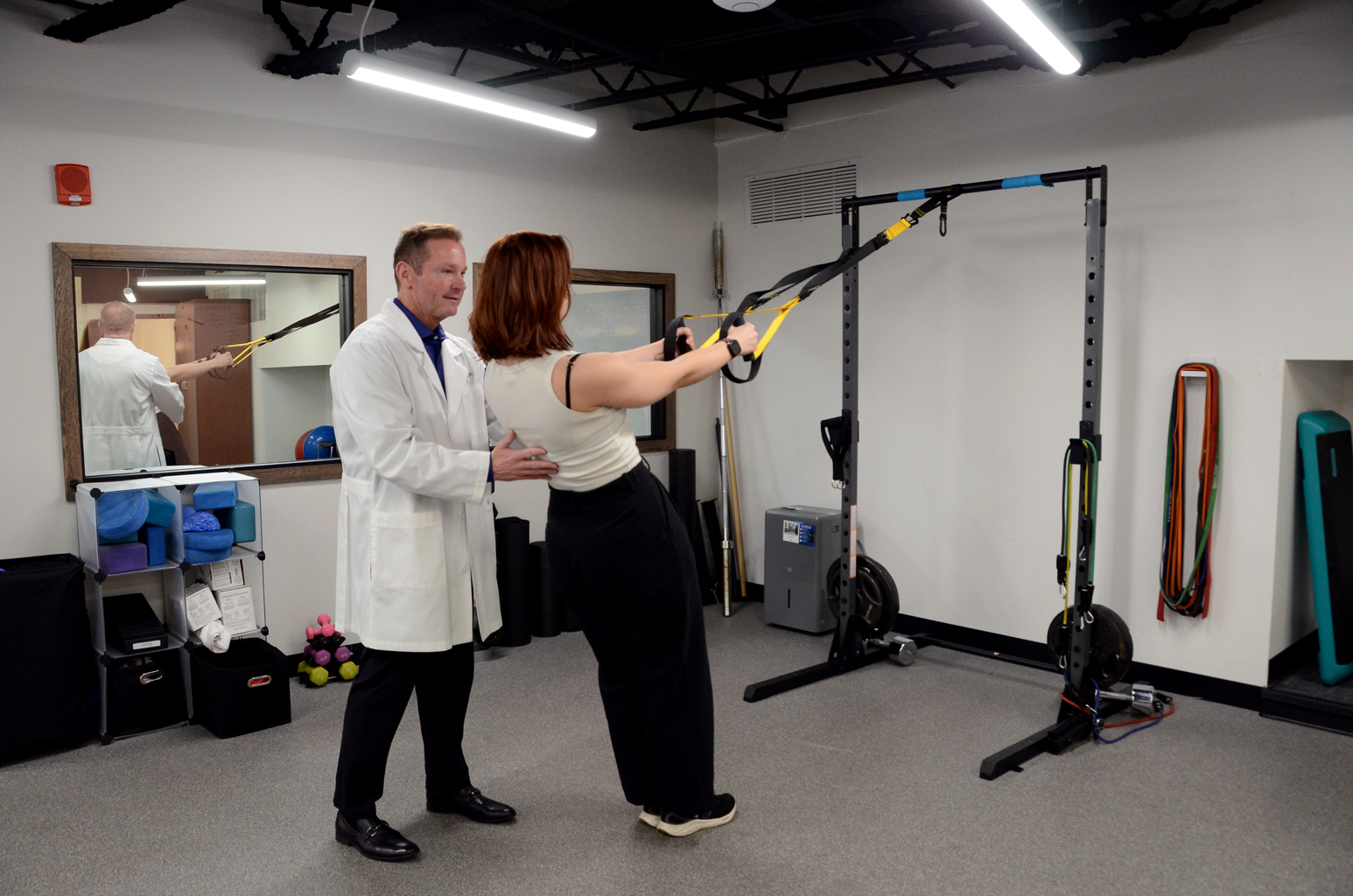
Modern chiropractic care is a holistic approach to improving your body’s mobility, restoring spinal alignment, and can even be used to treat several conditions such as:
- Hip pain
- Ankle pain
- Sciatica pain
- Carpal tunnel syndrome
- Recurring joint pain, swelling, or numbness
- Any condition related to having difficulty bending or lifting injuries
In a clinic like Advanced Spine and Sports Care, a typical process looks like this:
- History and conversation
- When did the pain start?
- What makes it better or worse?
- What have you tried already?
- Physical and orthopedic exam
- Range of motion tests.
- Neurological checks (reflexes, strength, sensation).
- Palpation to feel how joints and muscles move.
- Imaging (if needed)
- X-rays or referral for advanced imaging if something looks more serious.
- Diagnosis: arthritis, misalignment, or both
- Is there joint degeneration?
- Is there a clear misalignment or movement problem?
- Is there nerve involvement?
- Targeted treatment plan
May include:
- Gentle chiropractic adjustments
- Soft-tissue work
- Exercises and stretches
- Posture and ergonomics coaching
- Coordination with your medical doctor if arthritis is significant
How to Tell When It’s Time to See a Chiropractor in Chicago
You don’t need to be 100% sure whether it’s arthritis or misalignment before you receive relief.
Whether your pain is caused by a simple misalignment or complex sciatica, we focus on treating the mechanical root of the problem rather than just the symptoms.
In fact, that’s our job. Health-related signs it’s time to call Advanced Spine and Sports Care:
- Your pain keeps coming back, even with meds.
- You’ve had stiffness or pain for more than 1–2 weeks.
- You notice pain is worse with certain positions or movements.
- You’re worried about long-term damage and want a real answer.
- One side of your body always feels tighter, weaker, or more painful.
What You Can Expect at Advanced Spine and Sports Care
At Advanced Spine and Sports Care in Chicago, the focus is simple:
- Help you understand what’s actually going on.
- Give you a plan that fits your life, and treat the root cause instead of relying on pain medication and quick relief.
You can expect:
- Local insight
- Care from a team that treats Chicago office workers, parents, commuters, and weekend warriors every day.
- Clear explanations
- Plain language, not medical jargon.
- You’ll know if your pain is more arthritis-based, misalignment-based, or both.
- Step-by-step roadmap
- How often you’ll come in.
- What each phase of care looks like.
- How to support your joints at home (desk setup, sleep, movement).
Schedule a chiropractic evaluation at Advanced Spine and Sports Care
For general background on arthritis, you can also read trusted resources like the CDC’s arthritis overview.
Dealing with a “Pinched Nerve” or Degenerative Discs? If your diagnosis involves Spinal Stenosis or Degenerative Disc Disease, simple adjustments may only be part of the solution. At Advanced Spine and Sports Care, we provide DRX9000 Non-Surgical Spinal Decompression. This FDA-cleared technology is specifically designed to treat chronic back pain and sciatica by gently relieving pressure on the spinal discs—helping you avoid surgery and get back to your Chicago lifestyle.
DRX9000 Non-Surgical Spine Therapy: Top 9 Treatable Spinal Conditions
>Click here to see if you are a candidate for Spinal Decompression Therapy.
FAQs: Arthritis, Misalignment, and Chiropractic Care in Chicago
What is the “Quick Test” for misalignment?
If your pain “catches” during a specific twist or turn, or if shifting your posture provides instant (though temporary) relief, you likely have a mechanical misalignment.
Will I need to come in for treatments forever?
No. Our goal at Advanced Spine and Sports Care is to move you from active relief to a maintenance phase that fits your lifestyle.
Can a chiropractor help if I really do have arthritis?
Yes, a chiropractor can help with arthritis. Chiropractic care can’t “cure” arthritis, but it can improve joint motion, reduce stress on painful areas, and support better function, which may ease pain and stiffness.
What if it’s not arthritis and it’s “only” a misalignment?
If it’s not arthritis, and the medical diagnosis is a misalignment, this works in your favor. Misalignments are often very responsive to chiropractic care and lifestyle changes. The sooner you address them, the less likely they are to contribute to long-term joint wear.
Should I stop all pain meds before I see a chiropractor?
You don’t have to stop any pain meds before seeing a chiropractor. Don’t change any prescriptions without talking to your medical doctor. The goal over time is to rely less on meds and more on treating the root problem.
Will I need to keep coming forever?
No. At Advanced Spine and Sports Care, the plan is built around your goals. Many patients move from active care to maintenance and to simple check-ins as needed.
Spinal Health & Wellness Key Takeaways:
To lock this in, here’s what matters most:
- Your pain is not “just aging.”
- Arthritis and misalignment can feel similar on the surface, but they have different root causes.
- Pain meds and anti-inflammatories only mask symptoms. They don’t explain or fix the problem.
- A chiropractor can help you understand and accurately diagnose if your pain is arthritis-related, misalignment-related, or both.
- With the right diagnosis, you can:
- Avoid unnecessary meds and injections.
- Get back to your daily life with more confidence and mobility.
- Follow a clear, step-by-step plan instead of guessing.
Ready to Get a Real Answer?
Stop guessing and start healing. Whether you’re dealing with a desk-job misalignment or long-term spinal arthritis, our Chicago team is ready to help.
Book an appointment with Advanced Spine and Sports Care in Chicago
Last Updated on December 27, 2025 by Chiropractor Dr. Jason Ingham DC, CCSP