
Experiencing a small amount of stress on a regular basis can be very beneficial for the mind and body. Healthy doses of stress can help you to be more productive, reach optimum levels of performance, increase your memory, and trigger the fight-or-flight response in dangerous situations. Stress isn’t always bad, but there’s a big difference between good stress & harmful stress.
Harmful stress can impact your thoughts, alter the way you behave, and negatively affect your body. Too much stress or the wrong kinds of stress can also lead to numerous health problems, such as depression, heart disease, and lack of energy. Experiencing regular or high levels of stress can impact your life day-to-day, especially if you’re also feeling tension.
Tension can produce feelings of mental and emotional strain, with stress & anxiety often being common symptoms in people who feel tense on a regular basis. Experiencing tension can lead to muscle aches, lack of productivity, poor cognitive ability & pain. Like stress, it’s important to treat tension quickly to make sure that it doesn’t continue to negatively impact your life.
If you’re experiencing tension or stress on a regular basis, then there are a number of effective treatments that you can consider. Here are four examples of common and healthy ways to reduce stress and tension in your life:
Meditation
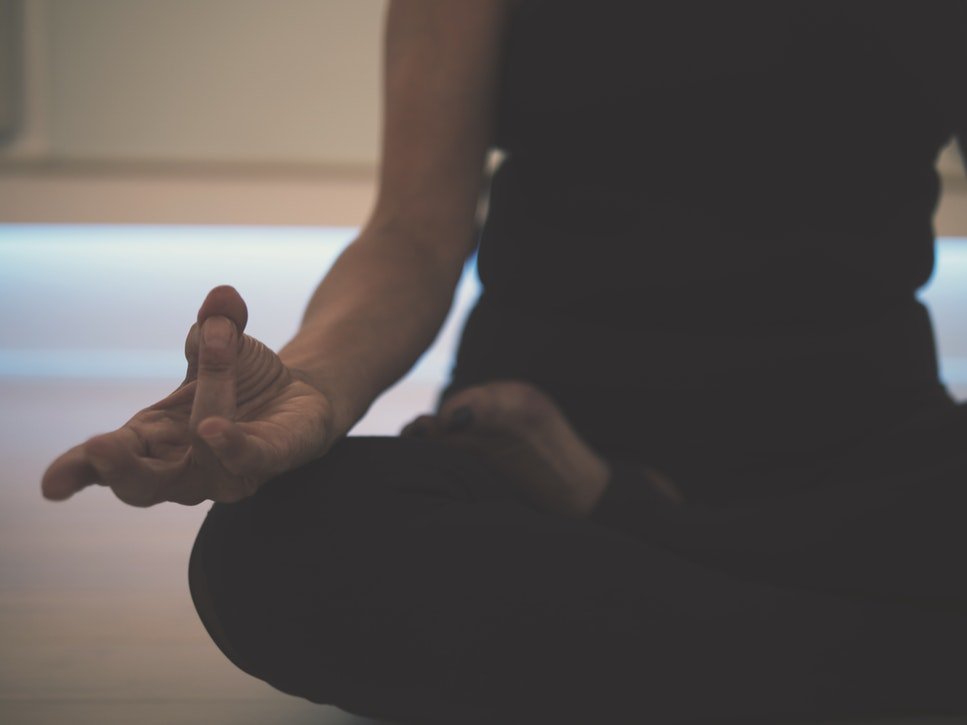
Meditation is a prehistoric practice that people have used for thousands of years, historically in a religious context, but today it’s most commonly used for relaxation and stress relief. It’s believed that meditation can relax the mind and restore a feeling of calmness and peace that can reduce the stress of everyday life and promote excellent emotional and mental well-being.
The benefits of meditation come in many forms, often surrounding a reduction of stress, anxiety, tension, and emotional over-stimulation. Practicing meditation improves self-awareness, gives you a refreshed perspective on sources of stress and helps you to manage stress in a more productive manner. In some instances, meditation can also help people to manage health conditions, such as depression, heart disease, tension headaches and anxiety.
There’s no single form of meditation; you can be still during meditation or active. The Chinese martial art, Tai Chi, is an active form of meditation where you practice deep breathing and perform different postures at your own pace. Mantra meditation, on the other hand, requires the participant to mentally repeat a meaningful word and ignore other distracting thoughts. Meditation is very unique to the individual and attending meditation workshops can be a beneficial way to learn how to meditate effectively to reduce stress and tension.
Exercise

Exercise is an important part of leading a healthy lifestyle and maintaining a healthy body, but it also plays an essential role in establishing a healthy mind. Different exercises can be used as a technique to cope with and manage tension, as well as situations or events that cause stress. In much the same way that stress can impact the body, the physical benefits of exercise that improve the body, can at the same time improve the mind.
Exercising produces a reaction within the body that chemically reduces levels of stress. When you exercise, endorphins are released in the body; these can improve your mood and even reduce pain. At the same time, levels of stress-related hormones in the body, like cortisol and adrenaline, are reduced. These short-term benefits of exercise and stress reduction are great for reducing stress, but the positive benefits of weight loss and improved performance can also provide long-term stress relief.
Creating a custom exercise plan is a great way to ease into regular exercise and partake in the exercises that are most beneficial for your mind and body. Combining a regular exercise routine with healthy back, neck, and spinal alignment exercises could also help you to relieve other forms of stress and tension throughout your body.
Massage Therapy

Muscles stiffness, aches and pains can very often be a result of regular stress and tension. To ease the pain that stress can cause, massage therapy is an effective and remarkably successful treatment option. Massage targets body aches and pains but it also lifts your mood and relieves emotional strain.
It’s thought that massage can reduce the levels of cortisol in the body, which is a key stress hormone. Massage can also increase parasympathetic nervous system activity, another way to reduce stress and create a feeling of calmness.
Massaging the body can have wonderful benefits for the mind and overall emotional and mental well-being. During a massage therapy session, a number of techniques are used to reduce tension in the body and create a feeling of whole-body relaxation. By relaxing the mind and body, everyday stresses can be reduced, and a greater level of control can be gained over managing and coping with stress.
Regular Chiropractor Treatments in Chicago
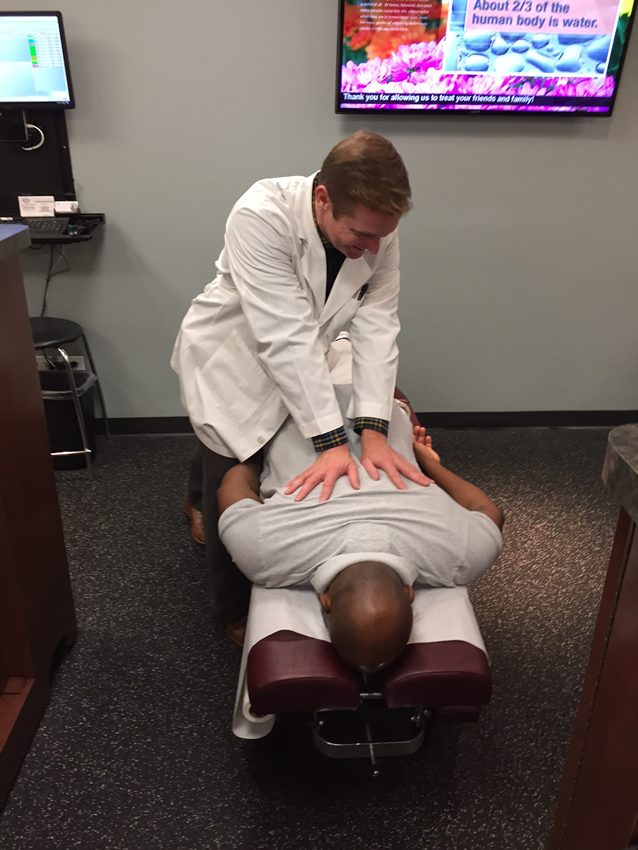
Stress can very easily take over the body, causing mental strain to turn into physical aches and pains, and impact important parts of a healthy lifestyle, such as sleep, energy, and nutrition. The mental pressure of stress and the emotional strain of tension can both be treated through regular chiropractic treatments. Chiropractic care can relieve stress in a number of ways, sometimes through physical treatments designed to resolve the root cause of pain, and other times through ongoing treatment plans and lifestyle changes.
For common problems associated with stress and tension, like tension in the muscles, spinal adjustment and other chiropractic treatments can be highly effective. Spinal misalignment can cause problems with the nervous system, which affects how the body communicates – an unhealthy spine can cause the nervous system to have trouble coping with stress. Poor blood circulation and muscle tension can also cause other stress-related problems. Chiropractic treatments can improve blood circulation, adjust the spine, and reduce body tension to restore energy and improve health of the whole body.
Professional chiropractic treatment plans can extent from treatments designed to reduce pain, to nutrition plans, massage, exercise routines, and even help learning how to meditate effectively. By attending regular chiropractor treatments, you can address the problems associated with stress and improve your body’s natural ability to handle stress, whether it’s through learning new relaxation techniques, understanding the correct posture to reduce stress, or improving spine health for better overall health.
Stress and tension can negatively impact your life every day, but with so many treatment options out there, it’s never been easier to treat stress and the large number of symptoms.
Beyond Meditation: The Neurological & Mechanical Blueprint to Eliminate Stress & Physical Tension
Do you wake up with a tight neck, aching shoulders, or a dull headache that creeps up from the base of your skull by 2 PM?
When most people experience chronic stress, they reach for standard remedies: warm baths, herbal teas, or mindfulness apps. While these methods help calm an overworked mind, they completely miss the physical architecture of stress.
The Neurological Trap: Why Your Muscle Tightness Keeps Returning
When your central nervous system senses psychological or physical stress, it triggers a baseline survival response. Your brain fires signals down the spinal cord, instructing the trapezius, levator scapulae, and erector spinae muscles to contract.
This reaction—known as protective muscle guarding—is designed to brace your spine against perceived threat. However, when stress becomes chronic, two critical breakdowns occur:
Disc Compression & Vascular Blockade: Persistent muscle contraction exerts continuous axial downward force on your cervical and thoracic vertebrae. This squeezes intervertebral discs, restricting blood flow and impeding nutrient exchange.
The Stretching Illusion: Trying to stretch a guarded muscle is like pulling on a knot tied into an elastic band. If the underlying nerve root is compressed by a bulging or degenerated disc, your brain will force the muscle back into spasm within hours to protect the spine.
The 4-Phase Protocol to Reset Stress & Restore Alignment
Phase 1: Neurological Down-Regulation
Diaphragmatic Breathing (4-7-8 Technique): Deep abdominal breathing stimulates the vagus nerve, initiating an immediate parasympathetic response to decrease heart rate and lower cortisol levels.
Magnesium Glycinate Supplementation: Provides the cellular building blocks required for muscle fiber relaxation and neuromuscular transmission.
Phase 2: Postural Unloading
Cervical & Thoracic Extension: Avoid spending prolonged hours in a forward-head posture (e.g., staring at screens), which multiplies the gravitational load on your neck up to 60 lbs. Incorporate thoracic extension on a foam roller to reverse postural flexion.
Phase 3: Targeted Spinal Realignment
Chiropractic Adjustments: Restore proper joint articulation and remove mechanical irritation from spinal nerve roots, signaling the brain to turn off chronic muscle guarding.
Phase 4: Non-Surgical Spinal Decompression
Mechanical Disc Vacuum: When chronic tension leads to disc herniation, thinning, or radiating nerve pain, advanced mechanical decompression creates negative intra-discal pressure to draw nutrients in and relieve nerve impingement.
From Temporary Relief to Structural Correction
Proper stress management demands more than temporary relaxation—it requires restoring structural integrity to your spine and nervous system.
If daily relaxation techniques, stretching, or massage fail to alleviate chronic neck tension, upper back pain, or stress headaches, the root cause is mechanical disc compression, not simple muscle tightness.
Contact Advanced Spine & Sports Care
Reclaim your mobility and eliminate chronic physical tension with Chicago’s leaders in spinal health and non-surgical decompression.
Call Today: (773) 868-0347
Clinic Address: 2828 N Clark St, Chicago, IL 60657 (Serving Lincoln Park, Lakeview, and Roscoe Village)
Schedule Online: Book Your Clinical Consultation
Last Updated on September 1, 2026 by Chiropractor Dr. Jason Ingham DC, CCSP