
Chicago Spinal Wellness: Footwear is Important!
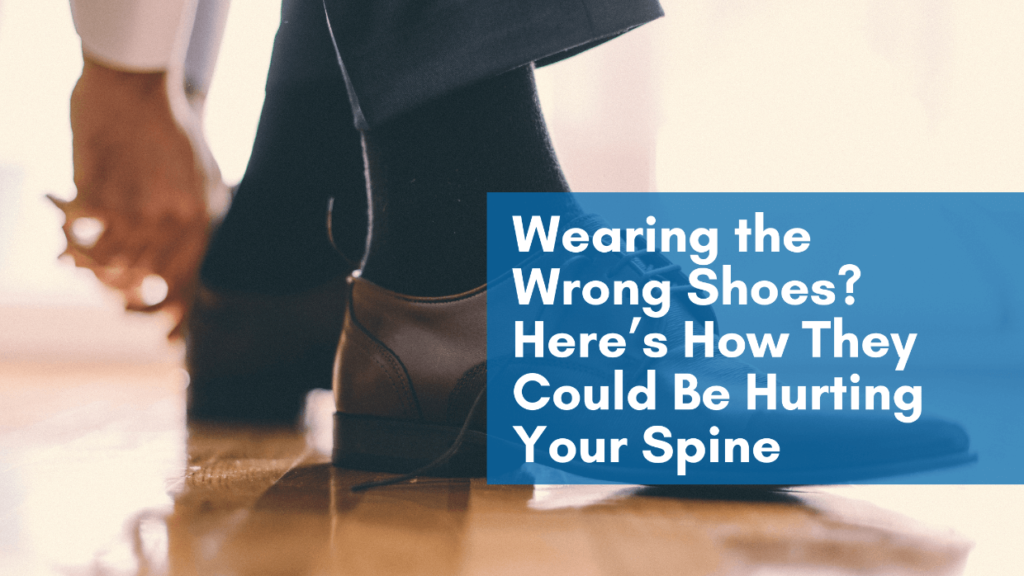
At Advanced Spine and Sports Care in Chicago, we’ve seen firsthand how shoe choices can either support your spine or slowly sabotage it. There’s a whole science to the foot-spine connection, the types of shoes that wreak havoc on your back, and how chiropractic care and custom orthotics can help correct the damage.
When you slip on your shoes in the morning, the last thing you might consider is how they affect your spine.
However, footwear has a direct influence on your spinal alignment, posture, and long-term back health
The Foot-Spine Connection: Why Your Shoes Matter More Than You Think
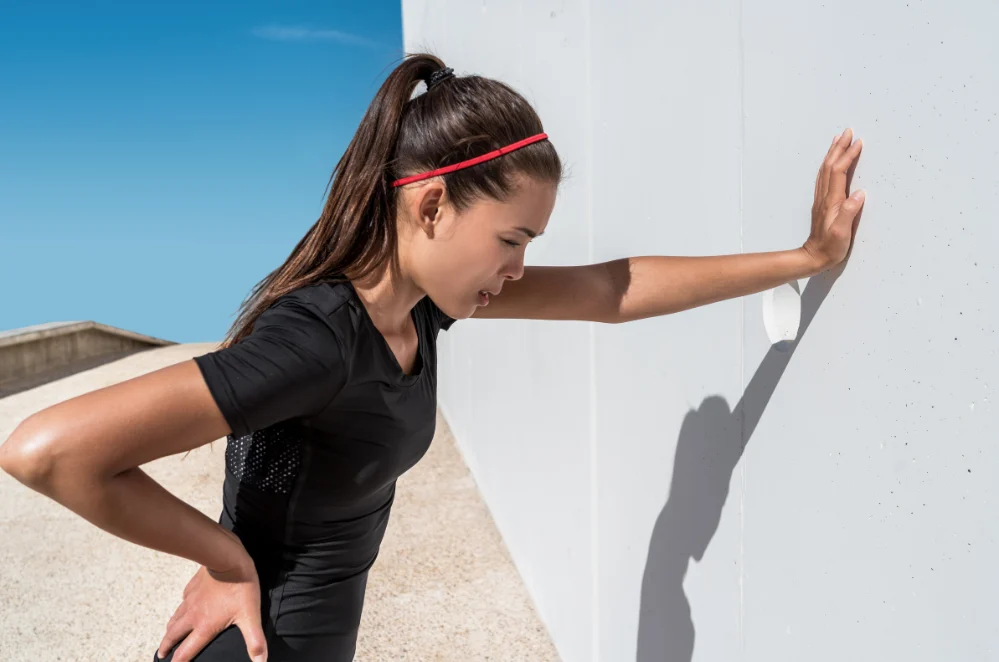
Your feet are your body’s foundation. And like any structure, if the foundation is off, everything above it begins to shift.
If your shoes fail to support proper gait or posture, you may experience:
- Pelvic tilt
- Foot pronation
- Spinal misalignment
- Chronic lumbar strain
- Joint stress in the knees and hips
When we talk about back pain, most people blame their chairs or mattresses. Posture can indeed impact your spine’s health, but poor footwear is often the first domino to fall.
Think of your body as a kinetic chain. Every step you take sends shockwaves through your feet, up your legs, into your pelvis, and ultimately into your spine.
Shoes that lack shock absorption or proper arch support disrupt this chain.
Materials and comfort. The shock absorption capability of athletic footwear is determined by the composition of the sole. Heavier materials lead to increased energy expenditure during movement. Moreover, prolonged physical activity can result in the deterioration of the sole. Consequently, there are specific demands regarding the durability, quality, and elasticity of the materials used in shock-absorbing shoes. These materials must possess attributes such as high strength, light weight, and exceptional elasticity.
>In a walk-heavy city like Chicago, where commuting, working, and exploring often happen on foot—choosing the right shoes is not just fashion. It’s prevention.
The Most Spine-Damaging Shoes (And Why They Hurt You)
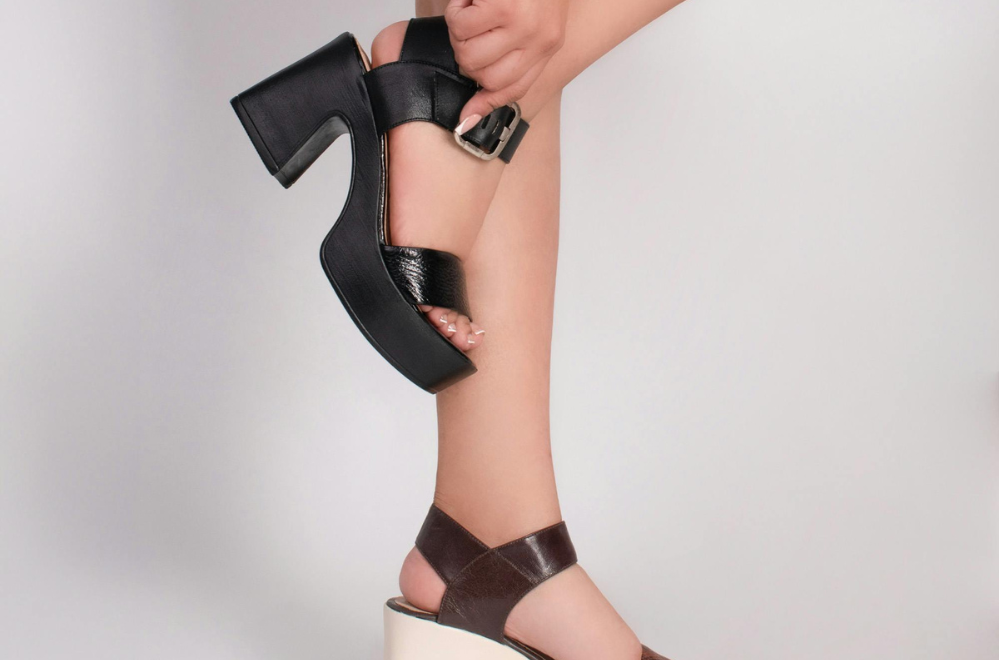
Here’s a breakdown of common shoe types and how they may contribute to spinal issues:
1. High Heels
- Problem: Force your spine into a hyperlordotic position (overarching of the lower back).
- Result: Leads to pelvic tilt, lower back pain, and increased pressure on the lumbar discs.
- Reality check: Even low heels (1–2 inches) can distort posture over time.
2. Flat Shoes Without Arch Support (e.g., Ballet Flats, Flip Flops)
- Problem: Offer zero support to your natural foot arch.
- Result: Contributes to foot pronation (collapsing inward), leading to knee valgus and lumbar strain.
- Quick tip: If you can twist the shoe like a dish rag, it’s not giving your spine the support it needs.
3. Worn-Out Sneakers
- Problem: Overused soles create an uneven gait.
- Result: Triggers joint asymmetry, imbalance in gait patterns, and tension in your hips and spine.
- Pro tip: Most running shoes should be replaced every 300–500 miles.
4. Fashion Boots (Zero Cushion or Inflexible Soles)
- Problem: Poor shock absorption and ankle rigidity.
- Result: Increased jarring on your spinal discs, especially if walking on hard or uneven ground.
Posture & Gait: The Clues Are in How You Move

You may not even notice how your walk is changing.
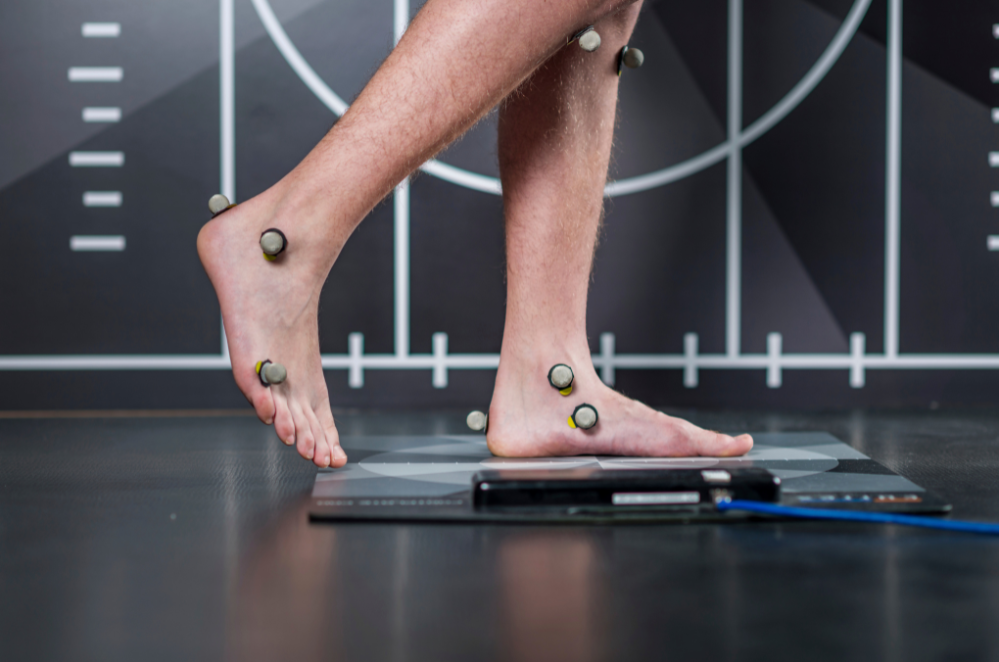
That’s where a gait analysis comes in, which would reveal:
- Uneven foot strikes
- Compensatory spinal curves
- One leg working harder than the other
- Tension patterns building in the lumbar and cervical spine
>The cervical spine consists of seven articulating vertebrae.
Think of your body like a car. Misaligned wheels cause uneven tire wear. Your spine operates the same way. This isn’t just about comfort—it’s about long-term wear and tear on your joints.
The Long-Term Effects of Poor Footwear on Spinal Health
Wearing unsupportive shoes for years can silently wear down your body’s natural alignment.
Here’s what you may experience:
- Sciatica from lower back compression
- Herniated discs from repeated jarring
- Chronic muscle fatigue from poor posture
- Plantar fasciitis that alters gait and spine mechanics
- Knee and hip pain due to torque from improper foot striking
Long-Term Consequences of Inadequate Footwear on Spinal Wellness
Let’s break it down further:
Imagine standing on a wobbly ladder. Even if your back is strong, the instability below compromises your entire stance.
That’s your spine on shoes with no support.
In a city like Chicago, where public transit and foot commutes are the norm, the cumulative effect is even more pronounced.
And the real kicker? Most don’t notice the small wear and tears that happen until it’s too late.
While a gait analysis can catch early signs and prevent further damage, it’s also important to schedule regular chiropractic adjustments to relieve your body of stress and tension.
How to Choose Spine-Friendly Footwear: What to Look For
An important reminder: Chiropractic care doesn’t only apply to in-office/clinic sessions.
How you treat your body, whether it’s at work or the vitamins you take, all have a connection to your spine’s overall health.
Similarly, choosing and wearing the right shoes matters too. For those who have already had past injuries, it’s even more crucial to wear proper footwear.
Footwear Selection for Spinal Wellness
Main features you should look for in a shoe or any footwear include the following:
- Arch Support: Maintains neutral foot alignment
- Rigid Midsole: Prevents twisting and over-flexion
- Heel Cushioning: Reduces impact on lower back
- Torsional Stability: The shoe shouldn’t twist easily
- Low Heel Drop (0–8mm): Keeps hips and spine neutral
- Proper Fit: Avoids lateral instability and muscle compensation
>Not sure what works for you? A 1-on-1 consultation can help you get to the root cause of your pain and uncover the right solutions to fix the problem.
FAQs: Questions People Ask About Shoe Selection & Spine Health
What are the best shoes for spinal alignment?
Look for shoes with rigid midsoles, good arch support, and low heel elevation. Brands like Brooks, HOKA, and New Balance are commonly recommended for both spine and gait support.
Can bad shoe choices cause sciatica?
Yes. Shoes that alter your gait or fail to absorb shock can increase stress on the lower spine and aggravate the sciatic nerve.
Are flip flops really that bad for your back?
Yes. Flip flops lack arch support and cause foot instability, which affects the entire kinetic chain—from ankles to hips to spine. This isn’t to say you should never wear flip flops or even heels, but if you’re wearing them daily, especially during your commutes, it’s best to get an evaluation.
How can I tell if my shoes are causing back pain?
Watch for symptoms like lower back stiffness after walking, foot pain, or feeling uneven pressure between your legs. A chiropractor can confirm if the pain is posture or gait-related.
Will orthotics fix my back pain?
Custom orthotics can significantly help if your back pain stems from poor foot mechanics. However, they work best in combination with posture correction and spine treatments.
Don’t Overlook Your Shoe Choices
Whether you’re a nurse on your feet for 12 hours, an athlete training for a marathon, or a professional commuting downtown, the wrong shoes can take a hidden toll.
At Advanced Spine and Sports Care, we help Chicago connect the dots between foot health and spinal well-being. Book your next spine and gait assessment today by visiting our contact us page or call us directly at 773-868-0347. Get Directions to Advanced Spine and Sports Care of Chicago, conveniently located in Lakeview/Lincoln Park.
Last Updated on October 11, 2025 by Chiropractor Dr. Jason Ingham DC, CCSP