

Advanced Chiropractic Care in Chicago: Biomechanical Health, Movement & Performance

Chiropractic care has evolved far beyond the traditional perception of a provider who simply “adjusts the spine.”
Modern chiropractic is a conservative healthcare discipline focused primarily on the assessment and management of neuromusculoskeletal conditions—problems involving the spine, joints, muscles, nerves, movement, and physical function.
At Advanced Spine & Sports Care (ASSC) in Chicago, chiropractic care is approached as a comprehensive process rather than a one-size-fits-all treatment.
The objective is not simply to address where you hurt. It is to understand how you move, what may be contributing to your symptoms, what physical limitations are affecting your daily life or athletic performance, and which conservative treatment strategies may help you regain mobility and function.
For patients dealing with back pain, neck pain, joint stiffness, sports injuries, movement limitations, or activity-related discomfort, modern chiropractic care can incorporate spinal manipulation or mobilization, therapeutic exercise, soft-tissue treatment, rehabilitation, movement education, ergonomic guidance, and individualized home-care strategies.
The result is a more complete approach to musculoskeletal health—one that considers the entire movement system rather than focusing exclusively on the location of pain.
Beyond the “Adjustment”: An Integrated Approach to Conservative Musculoskeletal Care
Many people assume chiropractic treatment begins and ends with a spinal adjustment.
That is an outdated description of contemporary chiropractic care.
Spinal manipulation and mobilization remain important tools for appropriately selected patients, particularly when joint mobility and musculoskeletal pain are part of the clinical picture. However, a modern treatment plan may involve considerably more than manual therapy.
At Advanced Spine & Sports Care, the clinical process may consider the relationship between spinal mobility, joint function, muscular strength, flexibility, movement patterns, previous injuries, occupational demands, athletic activity, and everyday physical habits.
A comprehensive chiropractic evaluation may assess:
- Spinal and extremity joint mobility
- Functional range of motion
- Muscle strength and endurance
- Soft-tissue function
- Postural and movement patterns
- Balance and coordination
- Previous injuries and compensatory movement
- Occupational and ergonomic demands
- Athletic requirements
- Activity-related limitations
- Functional goals and quality-of-life considerations
The objective is not to assume that every symptom has a single structural cause. Instead, the goal is to develop a clinically appropriate understanding of the patient’s presentation and determine which conservative interventions may be appropriate.
What Makes Modern Chiropractic Different?
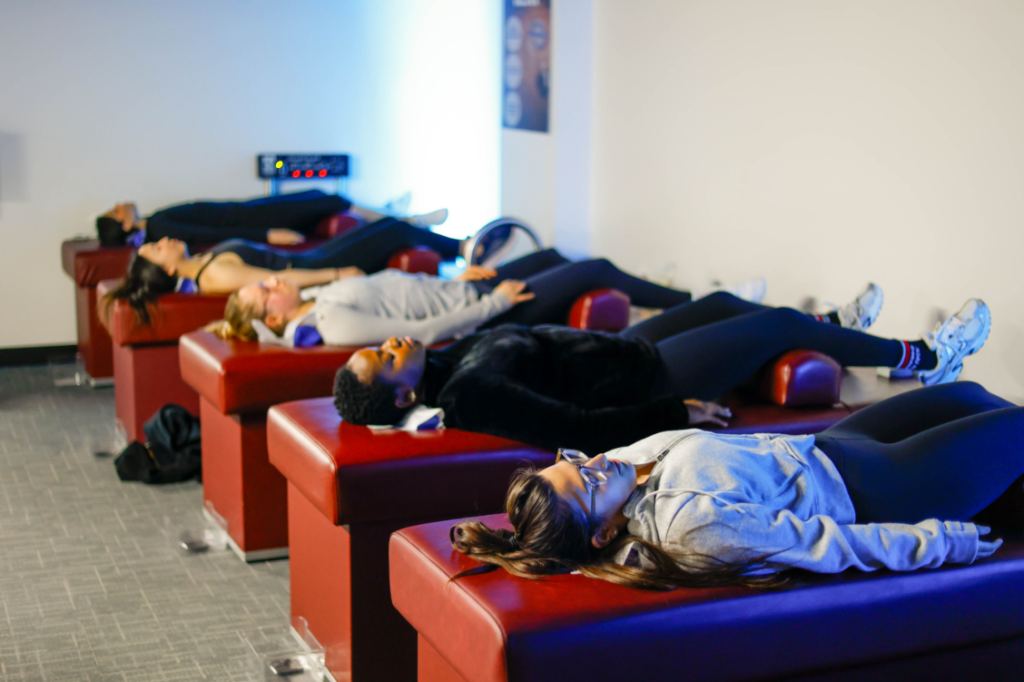
The modern chiropractic model is increasingly moving away from the idea that every patient needs the same treatment. Instead, contemporary care emphasizes:
Assessment → Clinical Reasoning → Individualized Treatment → Active Rehabilitation → Reassessment
Evidence-Based Evolution of Modern Chiropractic Care
The chiropractic profession has changed considerably since its origins more than a century ago.
Today’s doctors of chiropractic receive professional education encompassing areas such as anatomy, physiology, biomechanics, neurology, physical examination, diagnostic assessment, radiology, and the evaluation of musculoskeletal conditions.
Modern chiropractic care has also increasingly incorporated concepts from rehabilitation, exercise science, sports medicine, movement assessment, and evidence-informed clinical practice.
That evolution matters.
Contemporary chiropractic care should not be presented as a universal treatment for systemic disease or as a replacement for necessary medical care.
Its strongest clinical application is within the neuromusculoskeletal system. That includes conditions involving the spine, joints, muscles, movement, and physical function.
At Advanced Spine & Sports Care, the philosophy is centered on conservative care that is individualized according to the patient’s symptoms, clinical findings, functional goals, activity level, and response to treatment.
How Modern Chiropractic Treatment Actually Works
One of the most common questions patients ask is:
“What actually happens when a chiropractor adjusts the spine?”
The answer is more sophisticated than simply saying that an adjustment “puts a bone back into place.”
The human spine is a dynamic biological system consisting of vertebrae, intervertebral discs, facet joints, ligaments, muscles, connective tissues, and neural structures.
Normal movement depends on these structures working together.
Spinal manipulation and mobilization use controlled physical forces to influence joint movement and the surrounding neuromusculoskeletal system.
Research suggests that spinal manipulation can produce short-term changes in pain sensitivity, muscle activity, and joint or spinal movement. For certain musculoskeletal conditions—particularly some forms of low back pain—it may provide meaningful improvement when appropriately incorporated into a broader conservative treatment plan.
The response is not identical for every patient.
That is why modern chiropractic care should begin with evaluation rather than automatically prescribing the same adjustment to every person.
Joint Mobility and Movement
Restricted or painful movement can affect how a person performs everyday activities and exercise.
Manual therapy may be used to help improve joint mobility when restricted movement is clinically relevant.
The objective is not to force a joint beyond its normal range. Instead, treatment is directed toward restoring or improving appropriate movement while considering the surrounding muscles, connective tissues, and functional demands placed on the body.
Pain Modulation
Pain is a complex experience involving the nervous system, tissues, movement, previous experiences, sleep, stress, and other factors.
Manual therapy can influence sensory input from muscles and joints and may temporarily alter how the nervous system processes musculoskeletal pain.
This is one reason some patients experience reduced pain and improved movement following treatment.
However, pain relief should not be confused with “fixing” every underlying problem.
A comprehensive treatment strategy also considers strength, mobility, conditioning, activity tolerance, and the factors that may contribute to recurring symptoms.
Movement and Functional Capacity
Improving mobility is only one part of recovery.
Patients also need to regain the ability to use that mobility.
That may involve therapeutic exercise, strengthening, balance training, motor-control exercises, mobility work, and progressive return to activity.
For this reason, the modern chiropractic approach can transition from passive treatment toward active rehabilitation.
Chicago Chiropractic Care for Back Pain

Low back pain is one of the most common musculoskeletal conditions affecting adults.
It can develop following an injury, repetitive loading, prolonged sitting, physical work, athletic activity, or without one clearly identifiable event.
Back pain may also involve several contributing factors simultaneously.
These can include:
- Reduced spinal or hip mobility
- Muscle weakness or reduced endurance
- Repetitive occupational loading
- Prolonged sitting
- Lifting demands
- Previous injuries
- Sudden changes in physical activity
- Poor recovery habits
- Reduced conditioning
- Movement-related sensitivity
This is why effective back-pain management cannot always be reduced to treating one painful area.
Spinal manipulation is one conservative, non-drug treatment option that may be appropriate for certain patients with low back pain. Clinical guidelines and research support its use as one component of conservative management for selected patients.
At ASSC, chiropractic treatment may be combined with therapeutic exercise, mobility work, soft-tissue treatment, ergonomic education, and progressive activity recommendations when clinically appropriate. The goal is to help patients improve function, not simply to repeatedly treat symptoms without reassessment.
Chiropractic Care for Neck Pain
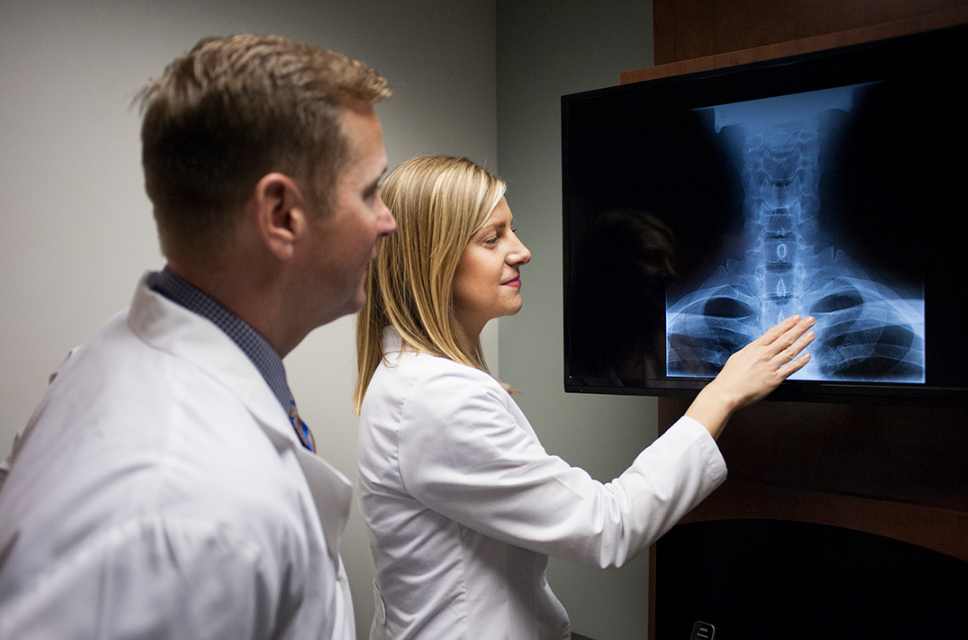
Neck pain has become increasingly common in modern work environments.
Extended computer use, prolonged sitting, repetitive occupational activity, driving, recreational activity, athletic participation, and previous injuries can all contribute to neck discomfort or restricted movement.
A modern chiropractic evaluation can assess cervical mobility, muscular function, posture, movement patterns, neurological findings, and other relevant clinical factors.
Depending on the individual, care may include:
- Cervical or thoracic mobilization
- Appropriate spinal manipulation
- Soft-tissue techniques
- Therapeutic exercise
- Mobility exercises
- Postural and ergonomic education
- Strengthening
- Movement retraining
- Home-care recommendations
Not every patient with neck pain requires manipulation. Appropriate treatment depends on the patient’s medical history, symptoms, examination findings, risk factors, and treatment goals.
Chiropractic Treatment for Sports Injuries & Athletic Performance
Chicago is home to an extraordinarily active population.
From runners along the Lakefront Trail to cyclists, weightlifters, recreational athletes, pickleball players, weekend warriors, competitive athletes, and high-level performers, active individuals place unique demands on their musculoskeletal systems.
Sports chiropractic care recognizes that athletes do not simply want pain relief.
They want to move efficiently.
They want to return to training.
They want to maintain performance.
And they want to reduce the likelihood that an unresolved limitation will interfere with future activity.
A sports-focused chiropractic evaluation may examine:
- Joint mobility
- Functional range of motion
- Muscle strength
- Balance
- Stability
- Movement coordination
- Gait
- Training demands
- Previous injuries
- Recovery patterns
- Sport-specific movement requirements
Treatment may incorporate manual therapy, therapeutic exercise, mobility training, strengthening, movement retraining, and progressive return-to-sport strategies.
The objective is to build physical capacity—not simply provide temporary symptom relief.
The Lakefront Athlete: Chiropractic Care Designed Around Movement
For Chicago athletes, movement is part of everyday life.
A runner may need adequate ankle, hip, and thoracic mobility.
A cyclist may require sustained positional tolerance and appropriate mobility through the hips and spine.
A weightlifter may need sufficient joint mobility, strength, coordination, and load tolerance.
A recreational athlete may simply want to return to a favorite activity without recurring pain.
Each scenario requires a different clinical strategy.
That is why sports chiropractic should not be reduced to a standardized adjustment protocol.
The treatment plan should reflect the athlete’s sport, training volume, physical demands, injury history, current limitations, and performance goals.
Chiropractic Care Is More Than an Adjustment
A comprehensive chiropractic treatment plan may combine several conservative strategies.
Spinal Manipulation & Joint Mobilization
Manual techniques may be used to influence joint mobility and musculoskeletal function when clinically appropriate.
Treatment is selected according to the patient’s presentation rather than performed automatically.
Therapeutic Exercise & Active Rehabilitation
Exercise gives patients an active role in their recovery.
Depending on the individual’s needs, rehabilitation may address:
- Core and trunk strength
- Hip strength
- Mobility
- Balance
- Coordination
- Stability
- Functional endurance
- Movement control
- Return-to-activity capacity
Soft-Tissue Treatment
Soft-tissue techniques may be used to address muscular tension, localized tenderness, mobility restrictions, and other soft-tissue findings when appropriate.
At ASSC, soft-tissue care may complement—not replace—active rehabilitation and movement-based treatment.
Posture, Ergonomics & Movement Education
Modern musculoskeletal care also extends beyond the treatment room.
Patients may receive recommendations related to:
- Workstation configuration
- Lifting strategies
- Movement breaks
- Sitting tolerance
- Exercise technique
- Daily activity
- Sleep and recovery
- Gradual return to physical activity
The goal is to help patients understand how their daily environment interacts with their physical demands.
Biomechanical & Kinetic-Chain Assessment
Movement rarely occurs in isolation.
The foot influences the ankle.
The ankle influences the knee.
The knee interacts with the hip.
The hip and pelvis interact with the spine.
The shoulder and thoracic spine influence upper-extremity movement.
This interconnected system is often referred to as the kinetic chain.
Evaluating movement through this broader lens can help identify functional limitations that may otherwise be overlooked when attention is focused exclusively on the location of pain.
The Modern Story of Chiropractic Care Continues to Evolve
The story of chiropractic care is ultimately a story of evolution.
Story of Chiropractic Care
Like conventional medicine, chiropractic care is based upon scientific principles of diagnosis through testing and empirical observations. The word “chiropractic” comes from the Greek words cheir (hand) and praxis (action) and literally means “done by hand.” Instead of prescribing drugs or performing surgeries, chiropractors use manual treatments of the spine and joints, exercise therapy, massage, trigger point therapy and lifestyle changes to allow the body’s natural state of health to fully express itself.
Treatment is based upon the practitioner’s rigorous training and clinical experience. Unlike conventional medicine, which focuses on attempting to treat disease once it occurs, chiropractic attempts to improve the health of the individual in an effort to avoid illness in the first place. Most people would rather be healthy and avoid illness if they could. This is one of the main reasons for the big upsurge in the popularity of chiropractic. People are recognizing the benefit of seeking an alternative to traditional medicine; one that will help them achieve and maintain optimal health.
Chiropractors understand that one of the main causes of pain and disease is the misalignment and abnormal motion of the vertebrae in the spinal column called a subluxation. Chiropractic works by removing these subluxations in the spine, thereby relieving pressure and irritation on the nerves, restoring joint mobility, and returning the body back to a state of normal function.
Numerous studies have demonstrated that chiropractic care is one of the most effective treatments for back pain, neck pain, headaches, whiplash, sports injuries and many other types of musculoskeletal problems. It has even been shown to be effective in reducing high blood pressure, decreasing the frequency of childhood ear infections and improving the symptoms of asthma. The chiropractic approach to healthcare is holistic, meaning that it addresses your overall health. It recognizes that many lifestyle factors such as exercise, diet, rest and environment impact your health. For this reason, chiropractors recommend changes in lifestyle’ eating, exercise, and sleeping habits in addition to chiropractic care.
Its origins are rooted in hands-on care and an emphasis on the relationship between the spine and human movement.
Modern chiropractic has expanded considerably.
Today, chiropractic care can incorporate manual therapy, spinal manipulation, joint mobilization, therapeutic exercise, rehabilitation, movement assessment, soft-tissue techniques, ergonomic education, and patient-centered clinical decision-making.
The strongest modern approach does not claim that chiropractic can cure every disease.
Instead, it recognizes where chiropractic may be clinically useful, where evidence supports its application, where limitations exist, and when another healthcare professional should become involved.
For patients experiencing back pain, neck pain, joint dysfunction, sports injuries, movement limitations, or other appropriate neuromusculoskeletal concerns, chiropractic care may be one component of a comprehensive conservative treatment strategy.
At Advanced Spine & Sports Care, the process begins with evaluation.
Because effective care should not begin with an assumption about what is wrong.
It should begin with understanding the person, the problem, and the goal.
Chiropractic Care in Lakeview Chicago
Advanced Spine & Sports Care serves patients in Chicago’s Lakeview community and surrounding North Side neighborhoods.
The clinic’s location provides convenient access for patients from:
- Lakeview
- Lincoln Park
- Wrigleyville
- Roscoe Village
- North Center
- Old Town
- Ravenswood
- Buena Park
- Uptown
- Surrounding Chicago neighborhoods
For patients searching for chiropractic care in Chicago, the objective is not simply to find a provider who performs adjustments. It is to find a healthcare professional who can evaluate the problem, explain the findings, establish realistic goals, and provide an appropriate treatment strategy.
At Advanced Spine & Sports Care, chiropractic care is integrated with rehabilitation-oriented and sports-focused services to help patients improve movement, manage appropriate musculoskeletal conditions, and return to the activities that matter most.
Ready to Take the Next Step?
If back pain, neck pain, an old injury, joint stiffness, or a sports-related problem is interfering with the way you work, exercise, sleep, or live, the first step is understanding what may be contributing to the problem.
Advanced Spine & Sports Care provides individualized chiropractic, sports, and rehabilitation-oriented care in Chicago’s Lakeview neighborhood.
Rather than beginning with an automatic adjustment, begin with a comprehensive evaluation.
- Understand the problem.
- Define the goal.
- Build the treatment strategy.
- Restore movement.
- Return to the activities that matter to you.
Advanced Spine & Sports Care
Chicago Chiropractic • Sports Medicine • Rehabilitation
Lakeview / Lincoln Park Area
Frequently Asked Questions About Chiropractic Care
Who May Be a Candidate for Chiropractic Care?
Chiropractic care may be appropriate for people experiencing certain neuromusculoskeletal conditions, including:
- Low back pain
- Neck pain
- Joint stiffness
- Restricted mobility
- Certain musculoskeletal headaches
- Sports-related musculoskeletal injuries
- Muscle and joint discomfort
- Activity-related pain
- Movement limitations
- Work-related musculoskeletal strain
> However, the presence of pain does not automatically make someone a candidate for chiropractic treatment.
A clinical evaluation is important. Certain symptoms require prompt medical evaluation, including significant trauma, progressive neurological deficits, unexplained systemic symptoms, severe or rapidly worsening symptoms, or other clinical warning signs. When those circumstances exist, appropriate medical assessment takes priority.
How Long Does Chiropractic Care Take?
There is no universal number of chiropractic visits that is appropriate for every patient.
Treatment frequency should depend on:
- The nature and duration of the condition
- Severity of symptoms
- Functional limitations
- Treatment goals
- Response to care
- Activity demands
- Progress during reassessment
A responsible treatment plan should evolve as the patient improves.
The objective should be meaningful functional progress—not simply accumulating appointments.
Is Chiropractic Care Evidence-Based?
The most accurate answer is that evidence varies according to the condition, treatment, and patient population.
Spinal manipulation is supported by clinical research as one non-drug treatment option for certain forms of low back pain, and major clinical guidelines have included spinal manipulation among conservative treatment options.
Research also indicates that benefits can be modest on average and that individual responses vary.
This is why evidence-informed chiropractic care requires more than simply performing a technique.
It requires:
- Appropriate patient selection
- Clinical examination
- Consideration of risks and contraindications
- Individualized treatment
- Outcome monitoring
- Patient education
- Appropriate referral when necessary
At ASSC, the goal is to combine clinical experience with contemporary evidence and individualized decision-making.
What is modern chiropractic care?
Modern chiropractic care is a conservative healthcare approach focused primarily on neuromusculoskeletal conditions involving the spine, joints, muscles, movement, and physical function. Depending on the patient’s needs, treatment may include spinal manipulation, joint mobilization, therapeutic exercise, soft-tissue techniques, rehabilitation, movement education, and ergonomic recommendations.
What does a chiropractor actually do?
A chiropractor evaluates musculoskeletal conditions and develops an individualized treatment strategy when chiropractic care is appropriate. Treatment may involve manual therapy, spinal manipulation or mobilization, exercise, rehabilitation, movement education, and other conservative interventions.
Is chiropractic care just spinal adjustment?
No. Spinal manipulation is one tool used in chiropractic care. A comprehensive modern approach may also include therapeutic exercise, soft-tissue treatment, mobility training, strengthening, movement assessment, ergonomic education, and rehabilitation.
Can chiropractic care help lower back pain?
For some patients with low back pain, spinal manipulation is a recognized non-drug treatment option. Research suggests it can provide improvements in pain and function for certain patients, although average benefits are generally modest and individual results vary.
Can chiropractic care help neck pain?
Chiropractic treatment may be appropriate for certain types of mechanical or musculoskeletal neck pain. Depending on the clinical findings, care may include mobilization, manipulation, exercise, soft-tissue treatment, mobility work, and ergonomic education.
What is sports chiropractic?
Sports chiropractic applies chiropractic and rehabilitation principles to the needs of active individuals and athletes. Treatment may address mobility, strength, movement coordination, musculoskeletal pain, injury rehabilitation, and return-to-sport requirements.
Does chiropractic care include rehabilitation?
It can. Modern chiropractic care may incorporate therapeutic exercise, strengthening, mobility work, balance training, movement retraining, and other rehabilitation strategies depending on the patient’s condition and goals.
Is chiropractic care safe?
Chiropractic treatment is generally considered safe when performed appropriately on properly selected patients. Temporary effects such as soreness, stiffness, or increased discomfort can occur. Serious adverse events are considered rare, but individual risks vary. A proper clinical evaluation should occur before treatment.
Can chiropractic care replace a medical doctor?
No. Chiropractic care is not a universal substitute for medical care. Some conditions require evaluation by a physician, specialist, emergency department, or another healthcare professional. Appropriate referral is an important component of responsible chiropractic practice.
How often should I see a chiropractor?
There is no universal treatment schedule. Frequency should depend on the patient’s condition, goals, response to care, and clinical progress. Treatment should be reassessed and modified as appropriate.
Does everyone with back pain need chiropractic treatment?
No. Back pain has many possible causes, and chiropractic treatment is not appropriate for every presentation. A clinical evaluation helps determine whether conservative chiropractic care is suitable or whether another type of evaluation or treatment is indicated.
What happens during a first chiropractic appointment?
The first visit generally begins with a health and symptom history followed by an appropriate physical examination. Depending on the presentation, the evaluation may assess range of motion, strength, joint mobility, neurological findings, movement patterns, and functional limitations. The clinician can then discuss whether chiropractic treatment is appropriate and what options may be considered.
What is the goal of chiropractic care?
The goal is to improve appropriate aspects of pain, mobility, physical function, and activity tolerance while helping patients participate more fully in everyday life or athletic activity. Treatment goals should be individualized and reassessed over time.
The ASSC Conservative-Care Advantage
At Advanced Spine & Sports Care, the philosophy is straightforward:
Treat the patient—not simply the painful body part.
That means considering the physical and functional context surrounding the patient’s condition.
A patient with low back pain may also have reduced hip mobility.
A runner with recurring symptoms may have a training-load issue.
A desk worker with neck discomfort may have limited thoracic mobility and reduced postural endurance.
An athlete returning from injury may require progressive strengthening before safely returning to full competition.
The clinical challenge is to identify the relevant factors and create an appropriate treatment strategy.
This is the foundation of individualized conservative care.
Why Conservative Care May Be the Appropriate Starting Point
Not every musculoskeletal condition requires surgery or an invasive procedure.
For appropriately selected patients, conservative treatment may be a reasonable starting point.
Depending on the condition, conservative management can include:
- Chiropractic care
- Therapeutic exercise
- Physical rehabilitation
- Activity modification
- Movement education
- Ergonomic modification
- Manual therapy
- Strength and conditioning
- Other non-invasive interventions
Responsible chiropractic care includes knowing when a patient’s condition requires referral or co-management with another healthcare professional.
Holistic Musculoskeletal Health
The body does not exist in a vacuum.
Musculoskeletal health can be influenced by how a person works, exercises, sleeps, recovers, trains, lifts, sits, and moves throughout the day.
For that reason, modern chiropractic care can take a broader view of physical function.
Important considerations may include:
Physical Activity
Regular movement supports strength, mobility, cardiovascular health, and physical capacity.
Sleep & Recovery
Adequate recovery is important for physical performance and the ability to tolerate training and daily activity.
Nutrition
A balanced diet supports normal physiological function and provides the nutrients required for maintaining tissues and producing energy.
Stress
Stress can influence sleep, muscle tension, recovery, and the experience of pain.
Ergonomics
Workstations, occupational demands, driving, lifting, and repetitive movements can all affect musculoskeletal loading.
The purpose of considering these factors is not to claim that chiropractic treatment can prevent every illness.
It is to recognize that sustainable physical function depends on more than what happens during a treatment appointment.
Last Updated on August 7, 2026 by Chiropractor Dr. Jason Ingham DC, CCSP